
VICTORIA FALLS – Zimbabwe’s artisanal and small-scale mining sector is poised to play an even greater role in the country’s economic transformation following strong calls for an inclusive and practical formalisation framework that empowers miners while boosting national gold production.
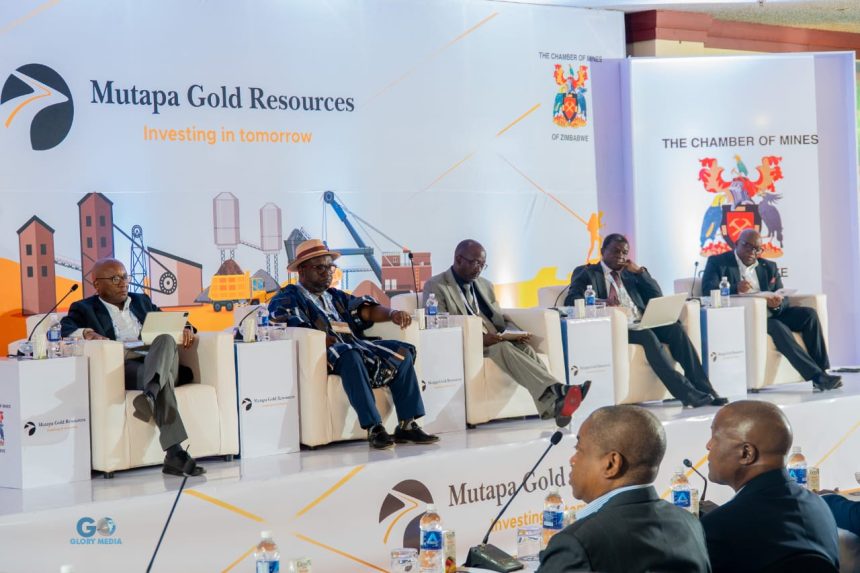
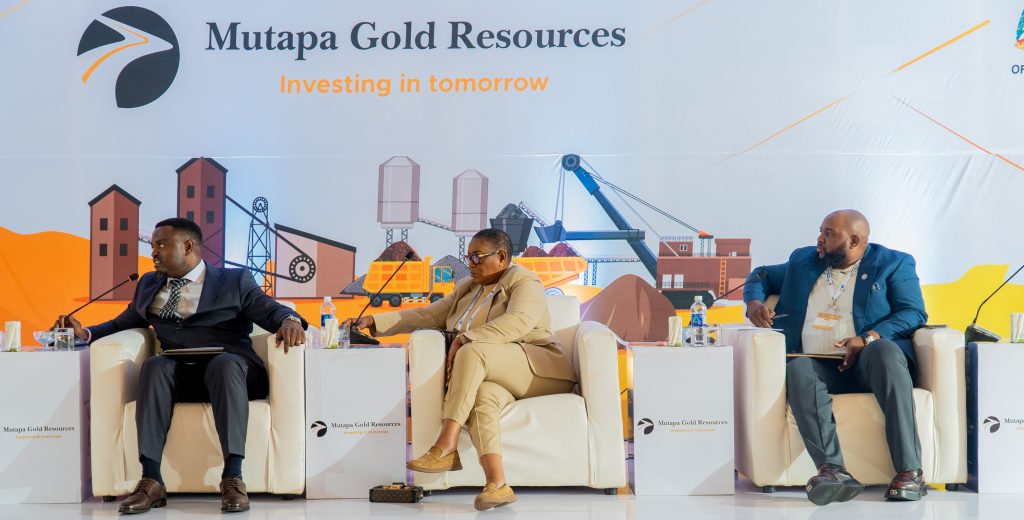
Speaking during a panel discussion at the Gold Symposium held alongside the Chamber of Mines Annual Mining Conference and Exhibition in Victoria Falls, Miners for Economic Development National Vice Chairman, Cde Dru Edmund Kucherera, outlined a forward-looking vision aimed at unlocking the full potential of artisanal miners through legal recognition, capacity building and increased access to financial support.
Cde Kucherera said the artisanal and small-scale mining (ASM) sector has emerged as the backbone of Zimbabwe’s gold industry, contributing nearly three-quarters of the country’s total gold output and sustaining the livelihoods of hundreds of thousands of families across the nation.
He noted that the sector delivered more than 34 tonnes of gold in 2025, reflecting significant growth and demonstrating the resilience, determination and economic importance of small-scale miners. “The artisanal mining sector has become one of Zimbabwe’s most important economic engines. Its contribution to national gold production and rural livelihoods cannot be ignored,” said Cde Kucherera.
He stressed that the next stage of growth requires policies that support miners’ transition into the formal economy, allowing them to access finance, modern technologies and secure mining rights. Cde Kucherera advocated for the creation of a practical formalisation framework that recognises the realities faced by artisanal miners while creating opportunities for sustainable growth. He proposed a phased approach that would allow miners to gradually meet regulatory requirements while receiving the support necessary to improve operations and productivity.
The proposed framework would begin with simplified registration processes and affordable licensing mechanisms, followed by training programmes focused on environmental stewardship, occupational safety and modern mining practices. The final stage would involve full regulatory compliance supported by stronger institutional partnerships.
According to Cde Kucherera, such an approach would encourage greater participation in the formal economy while strengthening accountability and improving production standards. A major focus of his presentation was the need to improve access to funding for artisanal miners. He said many miners possess valuable mineral resources and entrepreneurial potential but remain constrained by limited access to capital.
By formalising operations and promoting cooperative structures, miners would be better positioned to secure loans, attract investment and adopt more efficient mining technologies.
“Formalisation creates opportunities. It opens doors to financing, technology and markets that can significantly improve productivity and incomes,” he said. Cde Kucherera also highlighted the importance of responsible mining practices, particularly in environmental management. He encouraged increased investment in mercury-free processing technologies and called for incentives that support miners who adopt environmentally friendly methods.
The move, he said, would help safeguard communities and ecosystems while ensuring that the sector remains sustainable for future generations. Recognising the growing participation of women and young people in mining, Cde Kucherera called for deliberate measures to enhance their inclusion in decision-making structures and access to financial resources. He said empowering these groups would strengthen the sector and create broader economic opportunities across mining communities.
As discussions continue at the Gold Symposium, industry stakeholders have increasingly pointed to formalisation as a critical step toward maximising the value of Zimbabwe’s vast mineral resources. For Cde Kucherera, the future lies in building partnerships between miners, government, financial institutions and industry players to create a sector that is productive, responsible and globally competitive.
“Artisanal miners are not simply participants in the mining industry; they are key contributors to Zimbabwe’s economic growth. With the right support and policies, the sector can achieve even greater success and become a powerful force for national development,” he said. His remarks resonated strongly with delegates, reinforcing the growing consensus that empowering artisanal miners is essential to sustaining Zimbabwe’s gold production growth and advancing the country’s broader economic aspirations.